
 PP Laminates
 Multi Laminates
 Spunlace Nonwoven Laminates
 Breathable Film Laminates
 Viscose Laminates
 Needle Punch Nonwoven
 Medical Viscose Nonwoven
 Head Wear Nonwoven
 Medical Tape Nonwoven
 Snus Pouch Nonwoven
 Filtration Nonwoven
 Air Filter Media
 Liquid Filter Media
 Filter Envelope & Filter Sheet
 Breathable Film Laminates
 Nonwoven Interlining
 Fluid Repellent Woodpulp Spunlace Nonwoven
 Woodpulp Nonwoven Wipe
 Nonwoven Cleaning Wipe
 Curtain Nonwoven
 Food Grade Packaging Nonwoven
 Aluminized Nonwoven
 Hot Air Cotton Nonwoven
 Flame Retardant Nonwoven
 Cable Wrapping Nonwoven
 Semi-conductive Nonwoven
 Anti-Bacterial Nonwoven

 +8613957712400



0102030405
Anti-Bacterial Nonwoven: A Game Changer in Medicine and Healthcare
2026-08-19
What are Anti-Bacterial Nonwoven Materials?
Anti-microbial nonwoven fabrics are manufactured using natural or artificial textiles. This type of material can be made using certain special nonwoven technology to allow for better air circulation yet barrier effect remains intact. During the production process, antibacterial substance is added to the nonwoven fabrics and enables them to fight bacteria and viruses in medical institutions.
Applications of Anti-Bacterial Nonwoven in Healthcare
These specialized fabrics find applications in a wide range of medical products, including:
1. Surgical Drapes and Gowns: Surgical staff must keep sterile surroundings throughout surgical operations. Materials resistant to bacterial infections are used to fabricate surgical gowns and drapes.
2. Masks for Face: Now that infectious diseases have put their mark on the world, face masks made of anti-bacterial nonwovens have become unavoidable. They block respiratory droplets and keep bacteria from growing on the masks.
3. Dressing of Wounds: Wound care plays an important role in preventing infections. Non-woven anti-bacterial dressings assist in healing and avoiding the occurrence of infection.
4. Sterilization Wraps: Using anti-bacterial non-woven sterilization wraps for surgical instruments provides a superior level of safety for the instruments and ensures that they stay sterilized until their use.
Benefits of Using Anti-Bacterial Nonwoven Fabrics
The benefits of using antibacterial non-woven materials in the field of healthcare are considerable:
The patients benefit from using these materials by decreasing the chances of infection that can lead to positive results.
2. Raised Standards of Hygiene: The utilization of anti-bacterial nonwoven fabrics aids healthcare centers in ensuring the safety of cleanliness practices, which is crucial in combating healthcare-associated illnesses
3. Economically Efficient: Although the cost of the initial investment in anti-microbial fabrics is higher than the price of conventional fabrics, the savings in the long run from reduced rates of infections and shortened periods of hospitalization can be large.
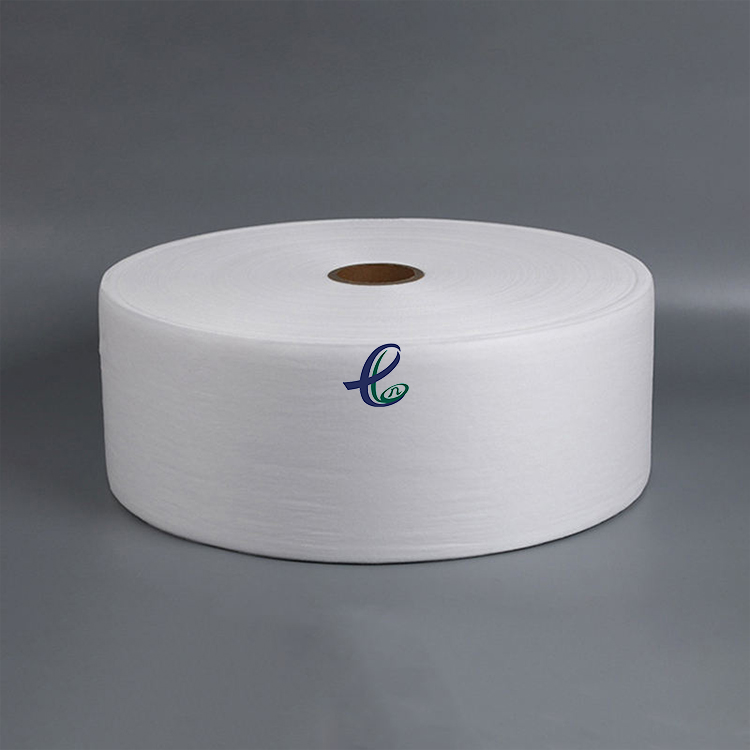
What is the Best Anti-Bacterial Fabric?
In deciding on what would be considered the ideal antibacterial fabric, it is important to consider several aspects such as effectiveness as well as ease of use. Usually, antibacterial nonwooven fabrics are considered to be preferable because of their softness, good breathability, and moisture-wicking characteristics. Items like antibacterial nonstick materials also increase functionality and hygiene in medical facilities.
You may also come upon antibacterial wipes free of alcohol, made of such materials and providing cleaning efficiency along with mildness to the skin.
Conclusion
The field of medicine continues to evolve, and the use of materials such as nonwoven anti-bacterial fabrics ("nonsuccess") plays a key role in protecting health. These fabrics effectively prevent the growth of bacteria and provide comfort and protection, making them a necessity in the medical field. By adopting these technologies, the medical institutions will improve safety for patients and staff.