
 PP Laminates
 Multi Laminates
 Spunlace Nonwoven Laminates
 Breathable Film Laminates
 Viscose Laminates
 Needle Punch Nonwoven
 Medical Viscose Nonwoven
 Head Wear Nonwoven
 Medical Tape Nonwoven
 Snus Pouch Nonwoven
 Filtration Nonwoven
 Air Filter Media
 Liquid Filter Media
 Filter Envelope & Filter Sheet
 Breathable Film Laminates
 Nonwoven Interlining
 Fluid Repellent Woodpulp Spunlace Nonwoven
 Woodpulp Nonwoven Wipe
 Nonwoven Cleaning Wipe
 Curtain Nonwoven
 Food Grade Packaging Nonwoven
 Aluminized Nonwoven
 Hot Air Cotton Nonwoven
 Flame Retardant Nonwoven
 Cable Wrapping Nonwoven
 Semi-conductive Nonwoven
 Anti-Bacterial Nonwoven

 +8613957712400




0102030405
Cable Semi-conductive Non-woven
2026-08-21
What is Semi-conductive Non-woven Fabric?
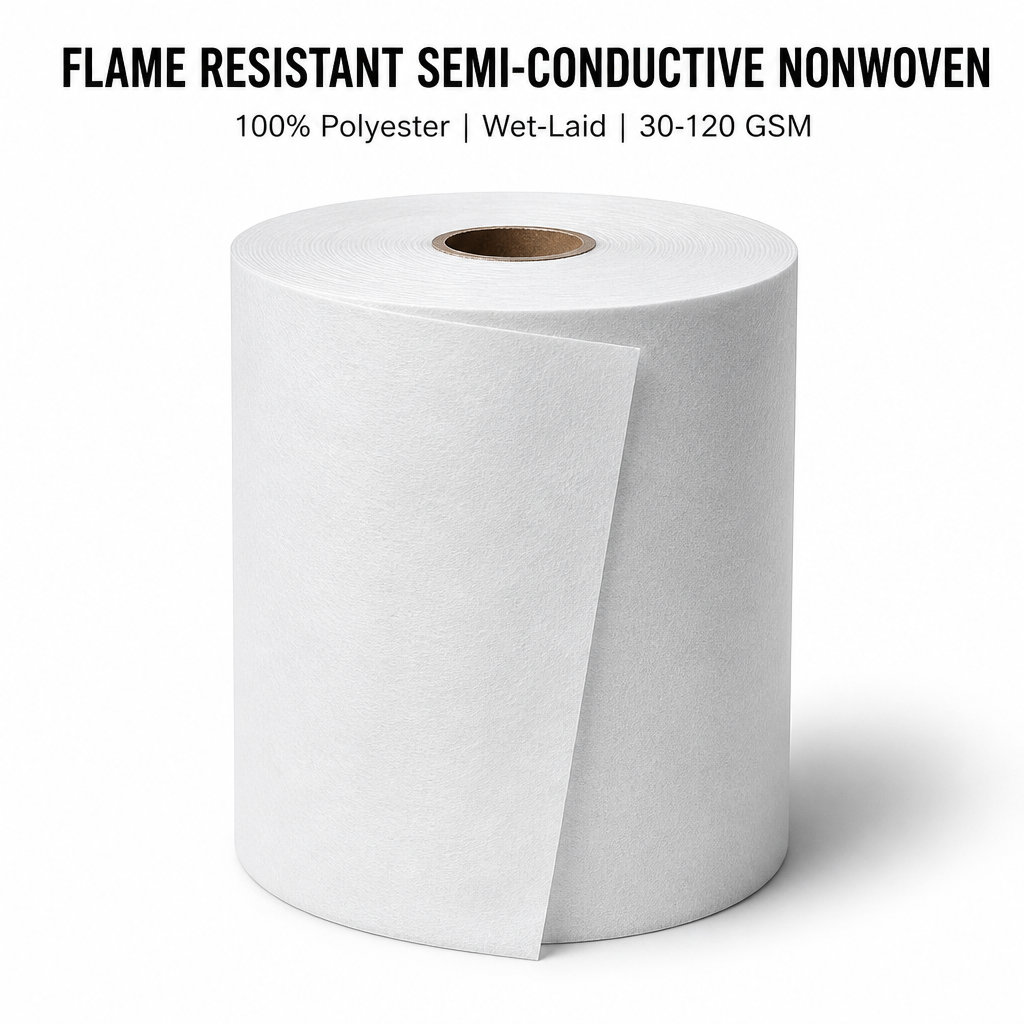
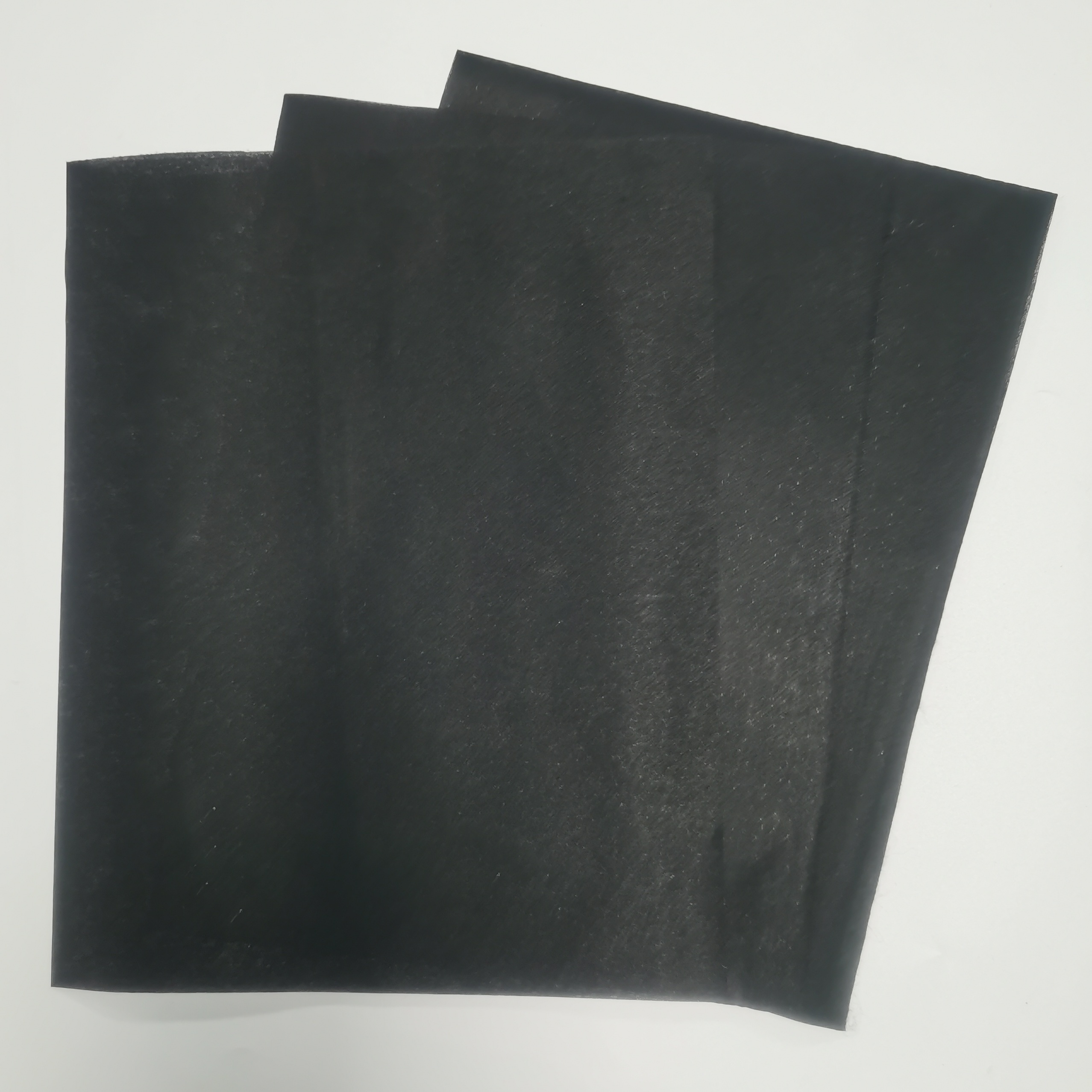
Semi-conductive non-woven fabric is a composite material formed from interconnected fiber clusters providing remarkable electrical performance. In this regard, semi-conductive non-woven fabrics are different from traditional materials, as they facilitate the movement of charge, which means they are useful in applications where the controlled transfer of electricity is required. The aforementioned feature is particularly favorable for the production of cable which has to be insulated from various impacts.
Applications of Semi-conductive Non-woven Materials
A major application for semi-conductive Nonwoven Fabric is in cables. These materials carry the current and protect against short circuiting by allowing leakage current to escape. It can also be used in some other applications such as:
- Cable Insulation: It offers superb insulating characteristics and facilitates a partial conduction as well.
- Shielding: This process reduces electromagnetic interference (EMI), hence it improves the functioning of electrical equipment.
Environmental Protection: Semi-conductive non-woven fabrics are commonly utilized to protect cables against both physical and chemical environment factors.
Benefits of Using Semi-conductive Non-woven Fabrics
The benefits of using semi-conductive non-woven materials are numerous:
- Simple Integration: There is no requirement for major alterations in current manufacturing technologies as these textile qualities allow for easy integration.
- Lightweight and Robust: The semi-conductive non-woven materials have an inbuilt nature that makes them lightweight yet strong enough for their time-tested and reliable performance.
- Economical: They decrease the production cost by reducing the material waste as well as enhancing production efficiency.
Other Related Products
Although semi-conductive non-woven textiles serve as significant components in cable insulation, there are other alternatives like semi-conductive non-woven tapes and non-woven conductive fabrics that are growing in popularity. These alternatives add to the flexibility and efficiency of applications across various sectors.
FAQs
What material is non-conductive?
Materials that do not conduct electricity are considered non-conductive materials. Such materials may include plastics and rubber. They play a key role in minimizing the chances of unintended electrical conduction, providing safety in different applications.
Why consider semi-conductive materials over traditional options?
Semi-conductive materials present features that perfectly create a balance between conductivity and insulation allowing for superior solutions that improve the efficiency of electronic devices beyond what conventional materials can do.
Can semi-conductive non-woven be used in high-voltage applications?
Yes, semi-conductive non-woven fabrics are capable of handling high-voltage applications as long as they fit in with the electrical resistance requirement and environmental factors.
In summary, the growing demand for semi-conductive non-woven materials in the cable industry showcases their essential role in enhancing electrical insulation, protection, and overall performance. As technology evolves, it's likely that these materials will become even more integral to innovative electrical solutions.