
 PP Laminates
 Multi Laminates
 Spunlace Nonwoven Laminates
 Breathable Film Laminates
 Viscose Laminates
 Needle Punch Nonwoven
 Medical Viscose Nonwoven
 Head Wear Nonwoven
 Medical Tape Nonwoven
 Snus Pouch Nonwoven
 Filtration Nonwoven
 Air Filter Media
 Liquid Filter Media
 Filter Envelope & Filter Sheet
 Breathable Film Laminates
 Nonwoven Interlining
 Fluid Repellent Woodpulp Spunlace Nonwoven
 Woodpulp Nonwoven Wipe
 Nonwoven Cleaning Wipe
 Curtain Nonwoven
 Food Grade Packaging Nonwoven
 Aluminized Nonwoven
 Hot Air Cotton Nonwoven
 Flame Retardant Nonwoven
 Cable Wrapping Nonwoven
 Semi-conductive Nonwoven
 Anti-Bacterial Nonwoven

 +8613957712400



0102030405
Nonwoven Wipes for Cleaning and Disinfecting Needs
2026-09-24
How Nonwoven Wipes Are Made: Fabric Technology and Benefits
The process of creating non woven cleaning wipes revolves around the application of advanced fabric technology in making nonwoven fabric. Nonwoven fabric typically consists of synthetic fibers such as polypropylene, polyester, and cellulose blends which are bonded together to form a strong yet soft structure that allows the wipes to remain intact during vigorous use. The methods of manufacturing Nonwoven Wipes like spunlace, meltblown and needlepuch provide various types of wipes with different characteristics.
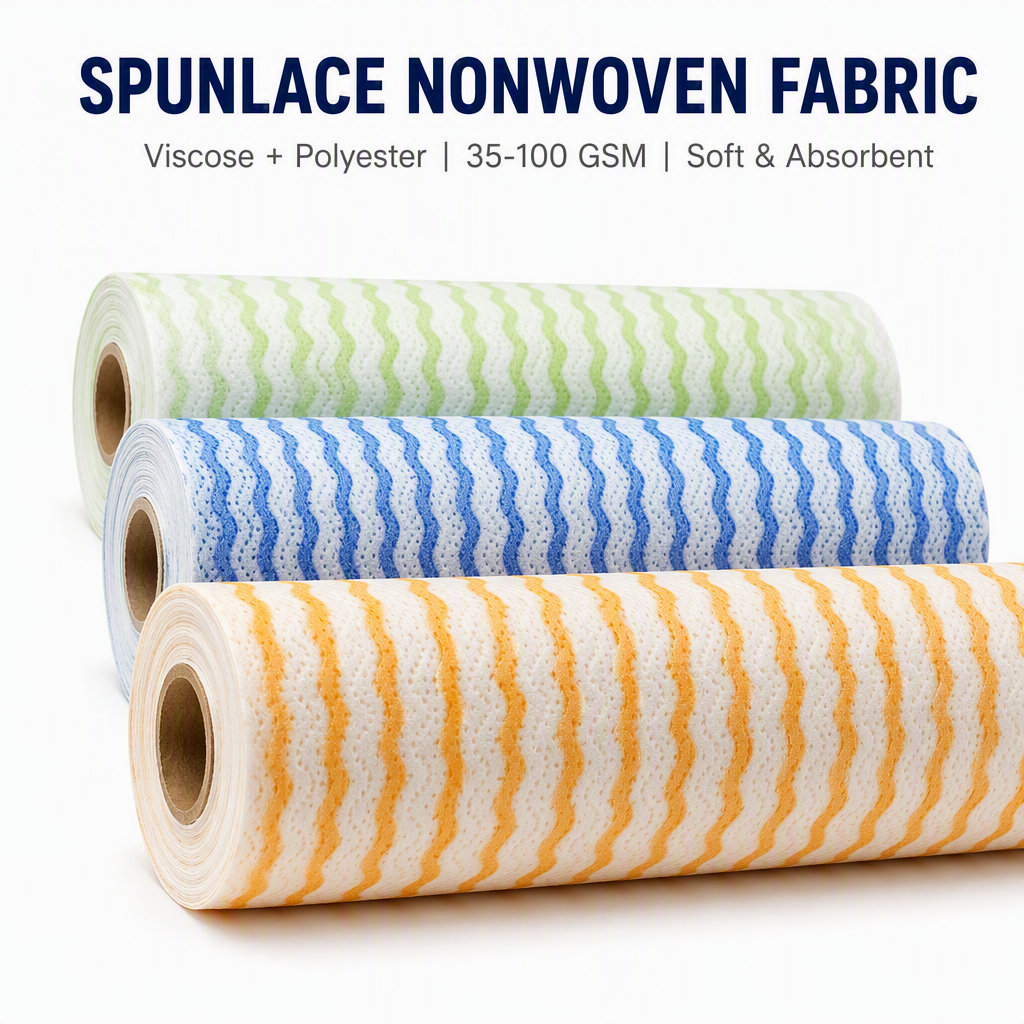
One of the most notable characteristics of spunlace wipes is their softness and the ability to absorb large amounts of liquid. These two features put the spunlace wipes on a pedestal when it comes to using these wipes for body contact, such as with Baby Wipes or wipes for the face. Meltblown wipes, on the other hand, have very high filtration properties, making them perfect for the creation of disinfecting wipes that employ some sort of chemical bonding method. By choosing other fibers and a different bonding method, the manufacturers can produce custom-made wipes designed to perform specific functions such as cleaning industrial equipment or providing gentle hygienic care.
The chief advantages of nonwoven wipes over conventional fabrics include:
- High absorbency for cleaning up liquid spills
- Uniform texture for consistent wiping performance
- Low lint characteristics, leaving surfaces spotless
- Disposable nature, reducing the risk of cross-contamination
- Compatible with a wide range of cleaning and disinfecting agents
These features make wipes cleaning non woven fabric solutions a practical investment for both commercial and home cleaning needs.
Types of Nonwoven Wipes: Choosing the Right Solution
Many nonwoven wipes can be found in the market for different purposes. It is important to evaluate each choice based on certain features like durability, absorbency, soft touch, and application. Here are some of the important types of wipes:
Dry Nonwoven Wipes come in a dry state and can be used for cleaning either on their own or they can be soaked with the customer’s choice of the solution to fit their needs. These wipes are good for basic cleaning such as dusting, polishing, and other types of housekeeping.
Pre-moistened with cleaning and disinfecting solutions, wet nonwoven wipes provide maximum convenience for cleaning surfaces and removing dirt effectively. These wipes are often used in healthcare and public environments to help facilitate cleanliness.
Disinfectant Wipes come with active substances such as chloride, alcohol, and quaternary ammonium compounds. The formulation of these wipes adheres to the strictest disinfection rules, and they are effective against microorganisms such as viruses and bacteria.
The Industrial Nonwoven Wipes are the products of high strength which can be used in factories, workshops, laboratories, etc. The wipes can bear repeated usages, resist harsh chemicals, and absorb oils and grease when used. Due to their low-lint properties, they allow you to clean precisely without leaving residues.
Personal Care Nonwoven Wipes Makeup removers and baby wipes are examples of skin-friendly products. These products are constructed with soft materials that cater to the sensitivities of the skin while still providing cleaning action.
The Advantages of Nonwoven Wipes Over Traditional Cleaning Cloths
There are many advantages of non woven cleaning wipes over fabrics and paper towels, which explain their increased popularity. Here are some of the benefits:
Cost-Efficiency and Eco-Friendliness: Though disposable nonwoven towels are produced with cost efficiency in mind. they end up saving water and detergent due to the fact that washing isn’t required, and biodegradable options are available, thereby reducing their impact on the environment. Producers are continuously striving to switch to sustainable materials and environmentally friendly processes in order to abide by worldwide ecological regulations.
Improved Cleanliness: Single-use wipes stop the transmission of germs commonly associated with the use of washable rags. Each wipe is used only once, ensuring cleanliness. This is particularly important in healthcare and food industries, where pathogen transmission should be avoided.
Efficient Cleaning Process: Clean wipes, particularly those soaked with disinfectant solution, can make cleaning simple and easy without needing advanced preparation and equipment. Wipes come in packs or can be stored in resealable containers, which make them as good as new every time they are used.
Consistency in Use: With having a consistent distribution of fibers in the making of wipes cleaning non woven fabric, it can achieve consistent wipe quality irrespective of the number of times it has been used. Unlike cloths made from cotton or microfibers, wipes cleaning non woven fabric does not experience any changes in absorption rates or texture.
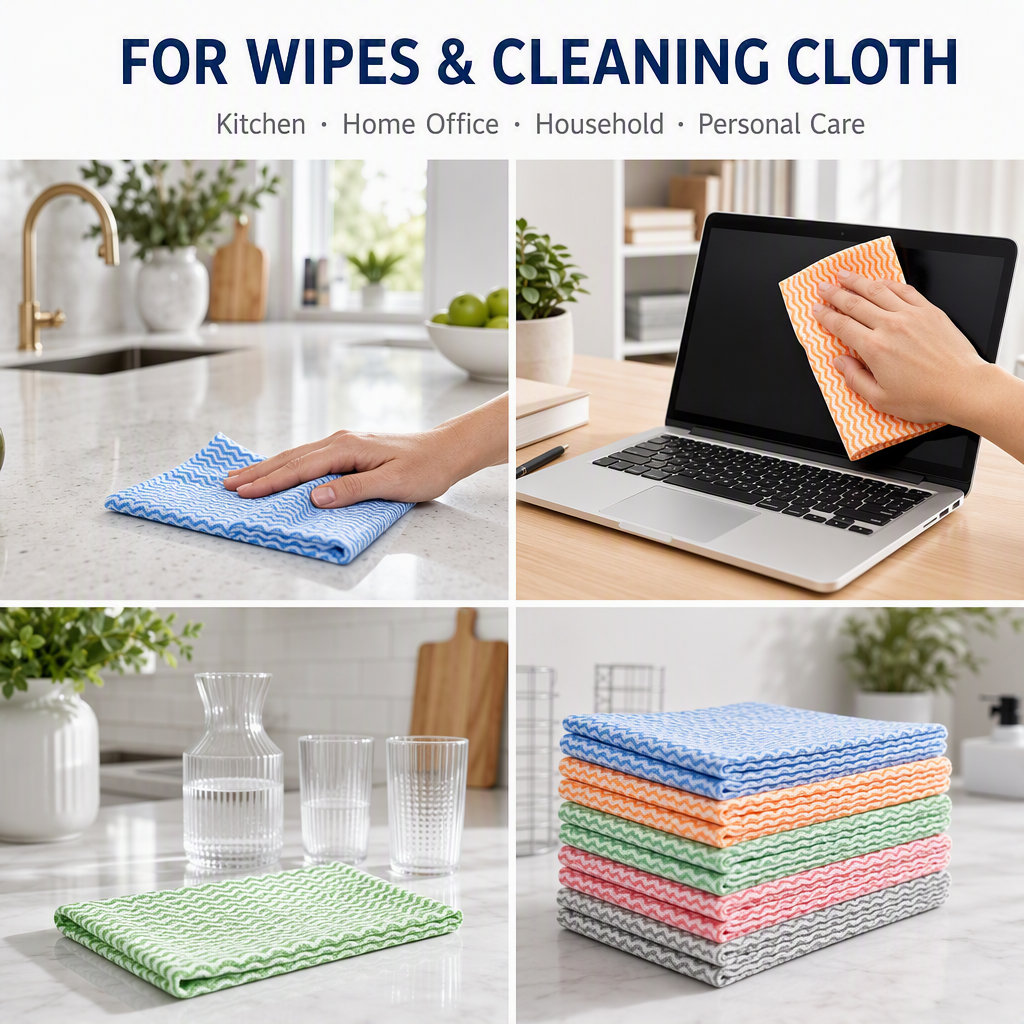
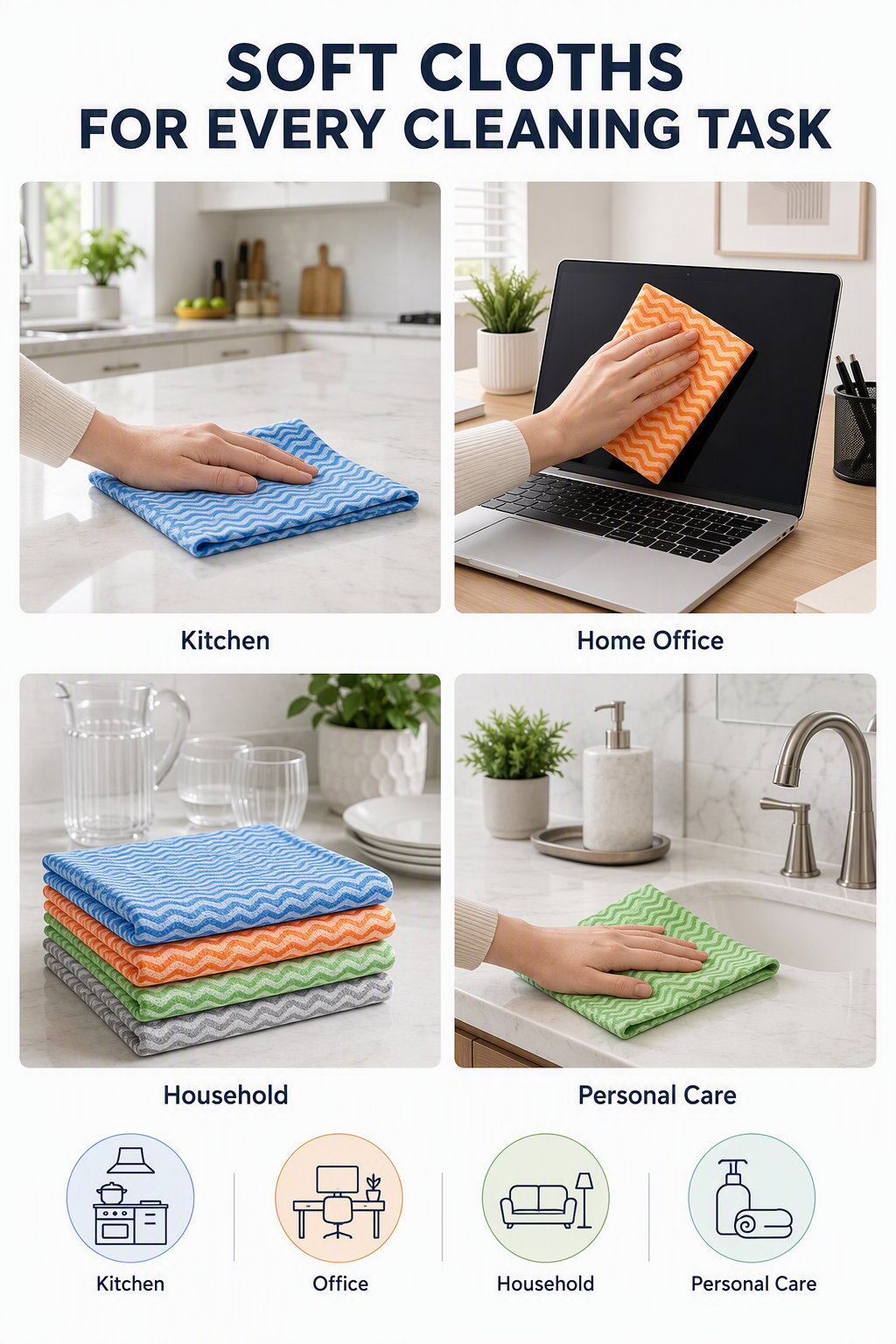
Versatility is one of the key advantages of non woven cleaning wipes. These wipes are useful in many situations, ranging from cleaning kitchen surfaces to wiping electronic devices, machinery, or even cleaning skin. That is why users can choose the appropriate type of wipe.
Nonwoven Wipes for Healthcare, Industry, and Home
With their flexibility, non woven cleaning wipes can be applied in a multitude of industries with different needs.
Medical Care: In medical institutions, sterilization is crucial. Nonwoven disinfectant wipes are perfect for cleaning medical facilities, equipment, and other surfaces that often are in contact with patients. The effectiveness of those wipes in preventing the spread of infectious diseases is well-known, and upon using them, hospitals can be sure of attaining all the required levels of compliance concerning the use of surgical disinfectants.
Food Sector: Both food processing and food service industries rely on cleanliness and the prevention of contamination or illnesses caused by food. FDA approved raw materials are utilized in the making of nonwoven wipes that are safe for food touch. These are effective in cleaning without leaving residues and fibers on surfaces.
Industry Applications: Manufacturing companies, laboratories, and automotive industries utilize wipes that can handle different chemicals and oils while ensuring that essential components stay clean. High-quality non woven fabric wipes are designed to be highly resistant to chemicals yet durable and capable of cleaning without leaving behind any traces of lint.
In Household Applications: Modern houses gain advantages from the use of nonwoven wipes in the kitchen, bathroom, and for cleaning surfaces. Users enjoy the comfort, safety, and effectiveness of these wipes. Additionally, specially designed wipes for use on electronics, glass, and antimicrobial purposes further enhance their usefulness.
What is personal care? Baby wipes, make-up removal wipes, wipes designed for intimate hygiene, all use nonwoven tops so that the fabric is gentle enough to wash even the most sensitive skin and strong enough to withstand tearing.
Nonwoven wipes are an increasingly valuable option. Every time nonwoven wipes are utilized, users gain safer, faster, and more effective solutions toward fulfilling their health, hygiene, and productivity goals.
Environmental Impact and Sustainability of Nonwoven Wipes
As the demand for disposable items has grown, the effectiveness of these products in terms of environmental impact has been overshadowed. Companies and users are focusing on the eco-friendliness of nonwoven cleaning rags.
A new generation of biodegradable, compostable, and recyclable wipes has emerged. The wipes are crafted from plant materials, including bamboo or cellulose, allowing for the removal of petrochemical dependencies. Production methods that use no water are utilized when manufacturing the wipes, which means lesser pollution and fewer resources wasted. The public is encouraged to buy wipes which have been certified by third parties as green products.
The proper way of disposal of wipes is important. Although traditional nonwoven wipes shouldn’t be flushed because of the chance of plumbing clogging, modern eco wipes are designed to be disposed of easily without harming nature. It is necessary to read the labels on the packaging and check whether they are “flushable,” “compostable,” or “recyclable.”
Regulatory agencies and industry players are motivating green practices by making laws and backing up recycling programs. Consumers can help by selecting wipes that use renewable materials, minimizing wipe waste generation, and supporting firms that promote environmental protection.
Choosing the Best Nonwoven Cleaning Wipes for Your Needs
The process of choosing appropriate cleaning wipes begins with knowing what you need. Crucial steps include:
Absorbency: High absorbency wipes are the best option for dealing with spills. The spunlace wipes are effective at retaining moisture.
Durability: In situations where tasks are performed that require scrubbing, chemicals or heavy-duty cleaning, tough wipes must be deployed.
Chemical Compatibility: Make sure that the wipes can endure contact with the selected cleaning or disinfectant materials without deterioration.
Skin Safety: It is advisable to use hypoallergenic wipes made from gentle, skin-friendly materials for beauty or sensitive contact.
Eco-Friendly Features: Choose biodegradable or compostable wipes whenever possible, especially for large things or all frequent purposes.
Make sure to read product specifications, independent product certification, and product reviews to ensure you make the right decision. With the wide variety of wipes made from non-woven fabric, you’ll have great solutions in any environment—commercial, industrial, or home.
Best Practices for Using Nonwoven Wipes Safely and Effectively
To maximize the value and efficiency of non woven cleaning wipes, apply these practices:
It is important to read product labels carefully as they provide vital information that determines how the product should be used correctly. Some wipes are specially formulated for particular applications, such as wipes for household surfaces or wipes designed for electronics.
Use Wipes Once: Never reuse wipes for different activities, particularly in medical, food or high-risk environment. Getting rid of wipes after their first use helps avoid possible contamination.
In order to preserve the integrity of the wipes, ensure that the packaging remains sealed and is stored in a cool and dry place.
Think about Waste Management: Ensure that the disposal of wipes conforms to the local laws. Do not flush wipes down the toilet unless they are designated as 'flushable'.
Proper technique ensures users enjoy optimal cleaning, safety, and environmental responsibility.
FAQ: What Are the Healthiest Wipes to Use?
Regarding health and wellness, choosing the best wipes for you is critical. The most beneficial wipes are:
- Made from skin-safe, hypoallergenic nonwoven fabrics
- Free from harsh chemicals, alcohol, parabens, and fragrances
- Biodegradable and made from natural, renewable fibers
- Certified by recognized agencies for safety and eco-friendliness
For sensitive skin or medical use, always look for wipes with dermatological testing and certifications. In personal care, baby wipes or facial wipes made from spunlace nonwoven fabric are gentle yet effective. For disinfecting, wipes with proven antibacterial properties and regulatory approval are ideal, especially when used in hospitals or food industry applications.
The health-focused buyers must give preference to wipes from reliable companies that provide clear indication regarding the ingredients and sustainability features about the products. This will assure safety for the consumer and minimum harm to the environment.