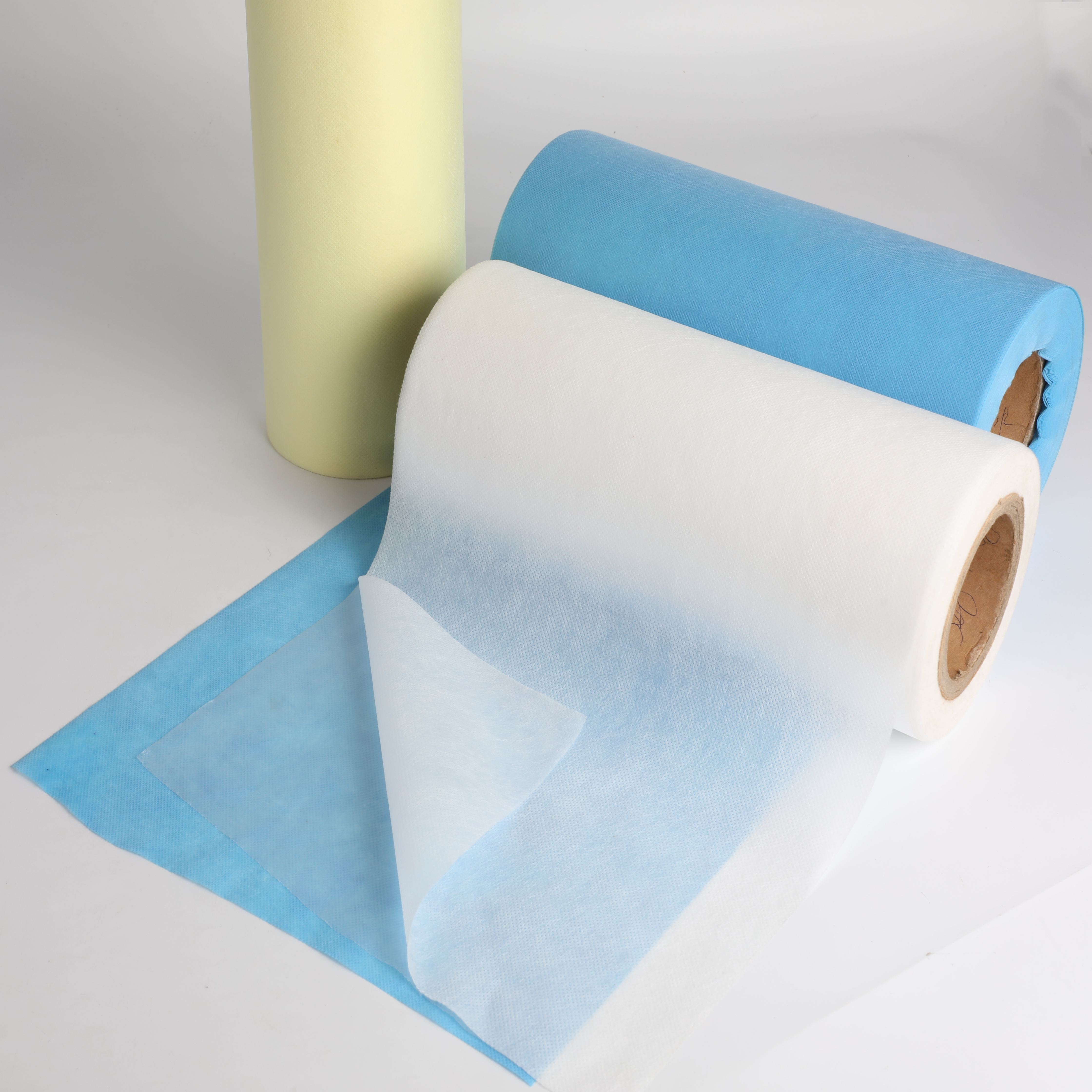
 PP Laminates
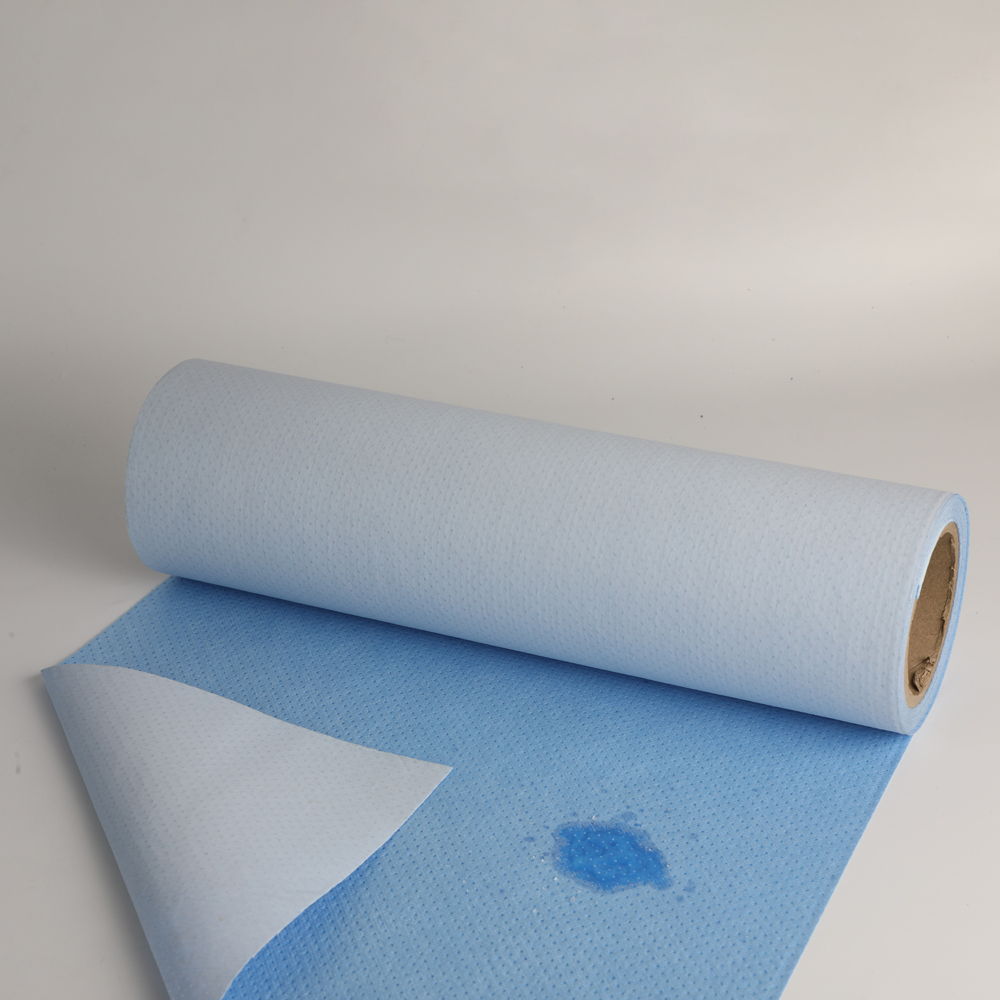 Multi Laminates
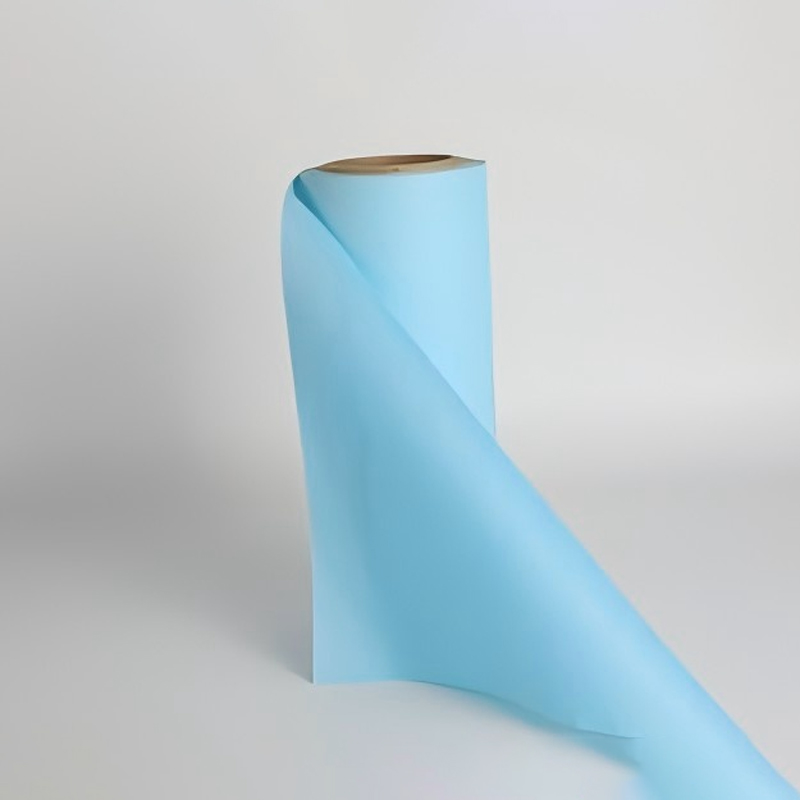 Spunlace Nonwoven Laminates
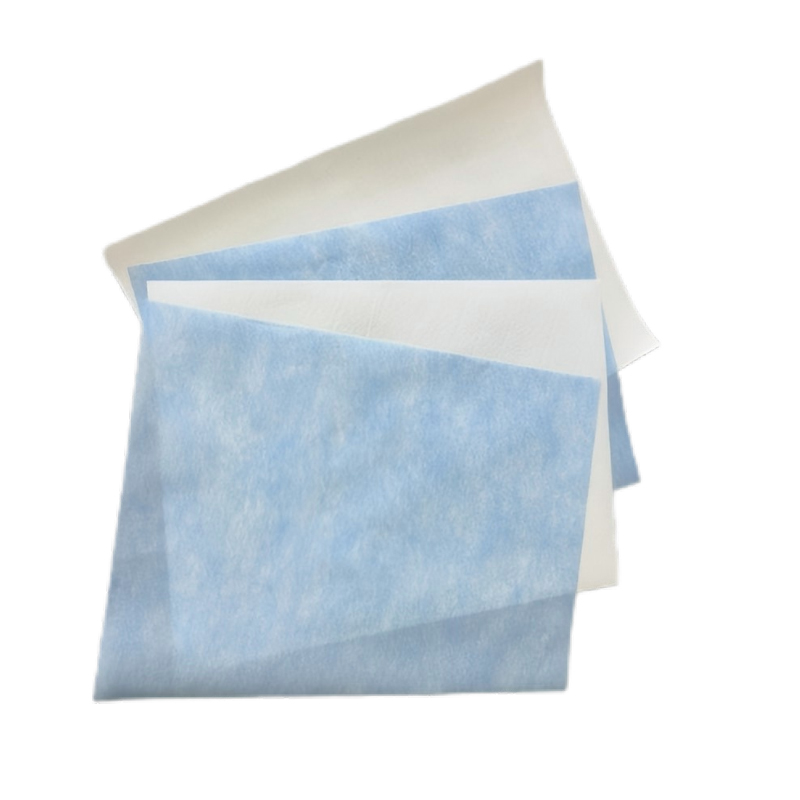 Breathable Film Laminates
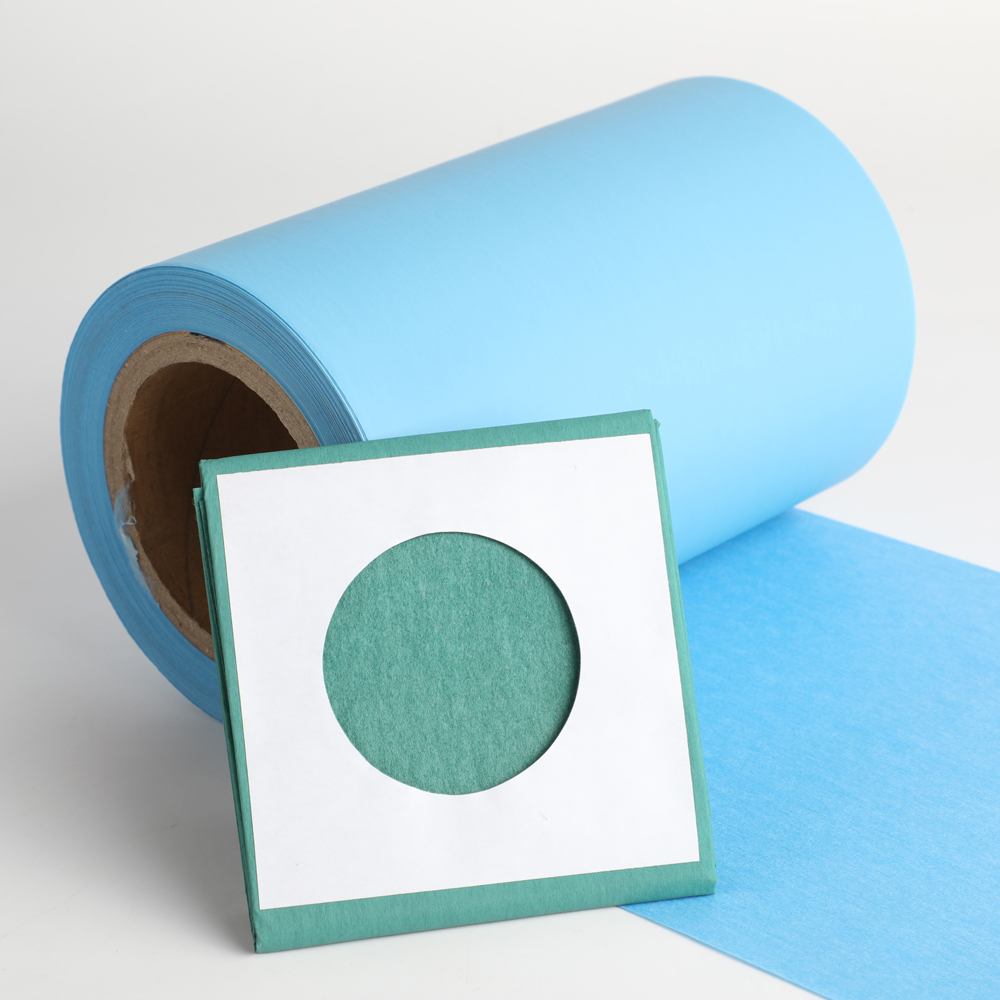 Viscose Laminates
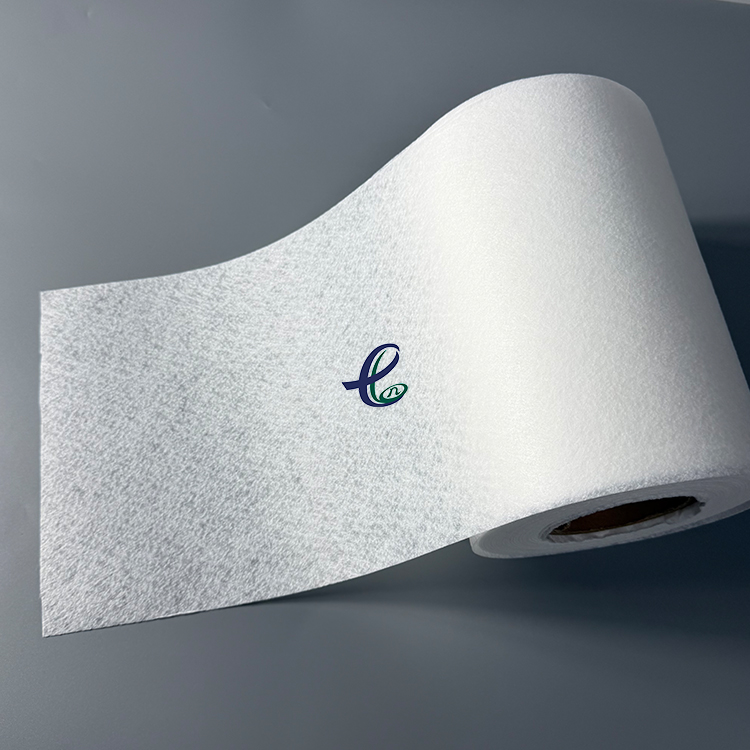 Needle Punch Nonwoven
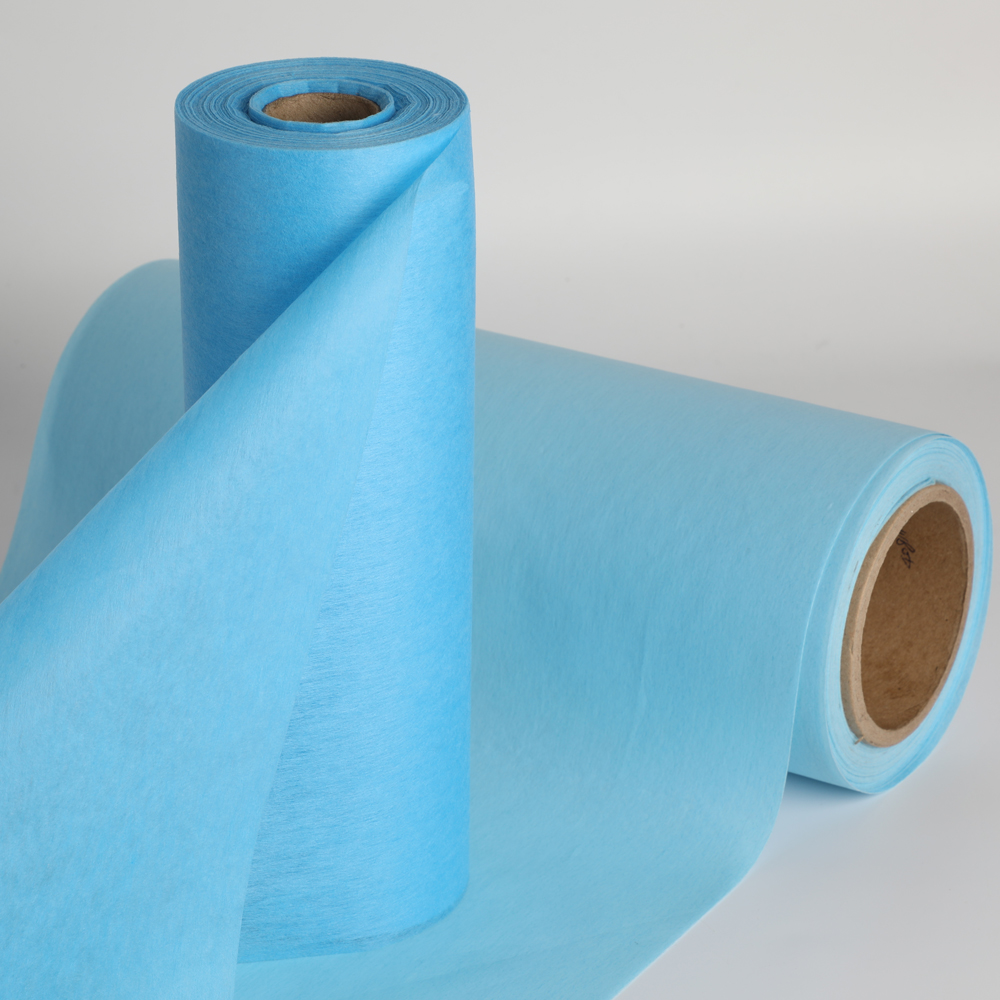 Medical Viscose Nonwoven
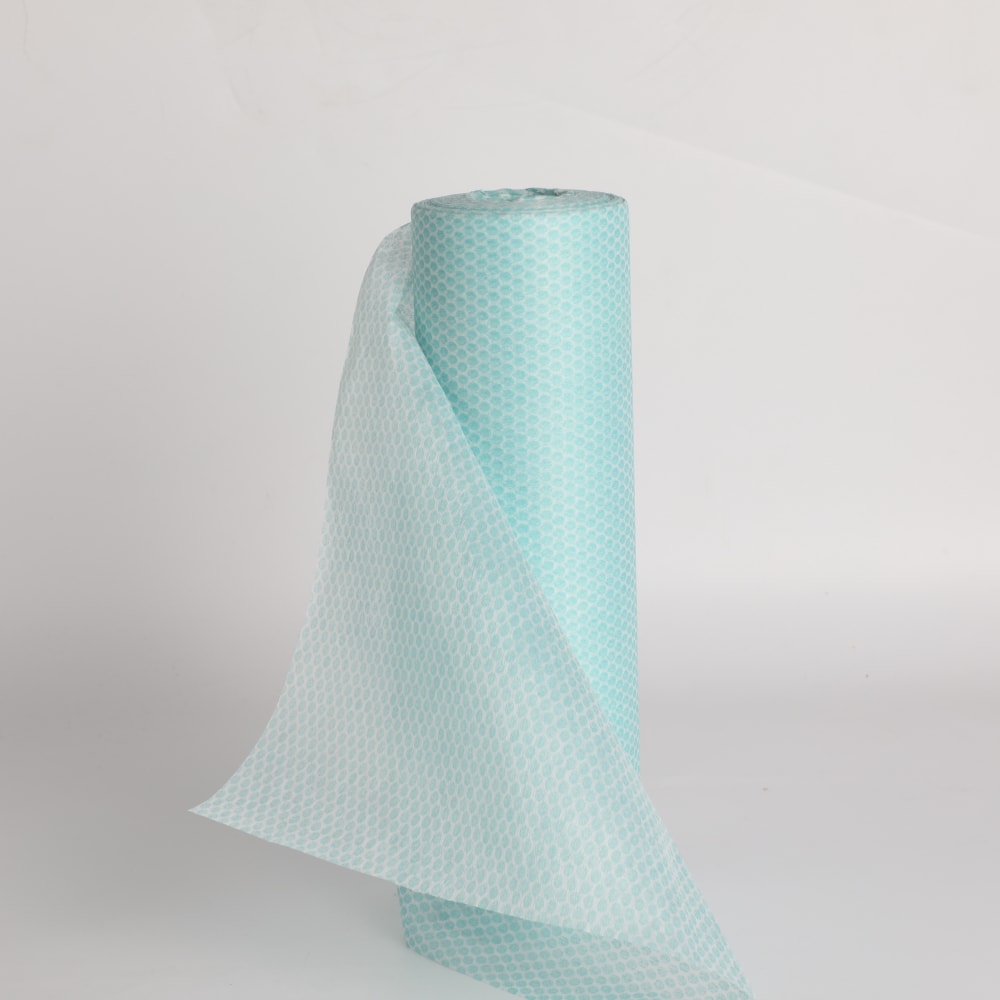 Head Wear Nonwoven
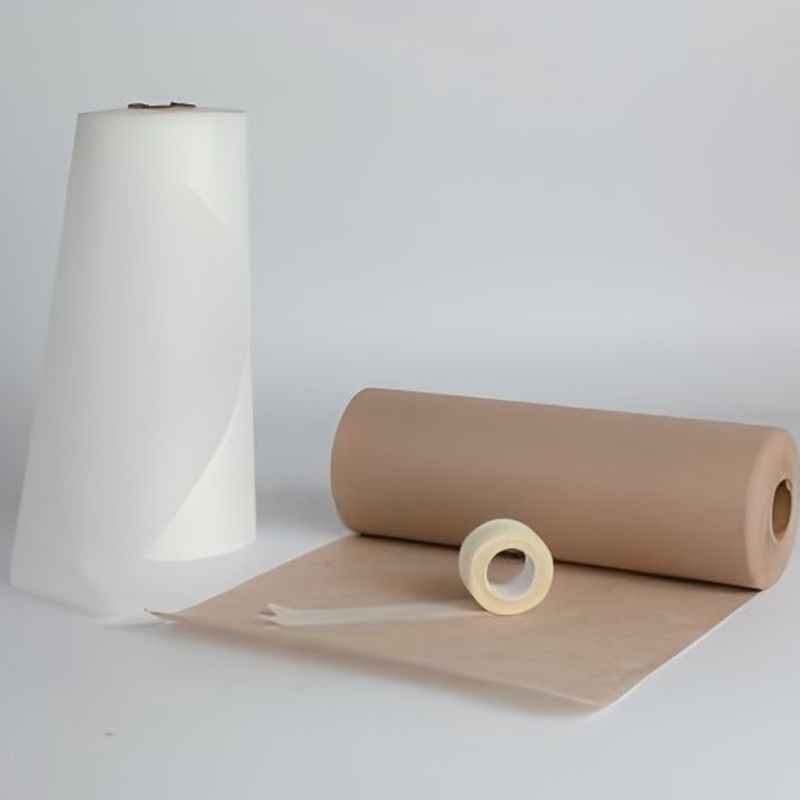 Medical Tape Nonwoven
 Snus Pouch Nonwoven
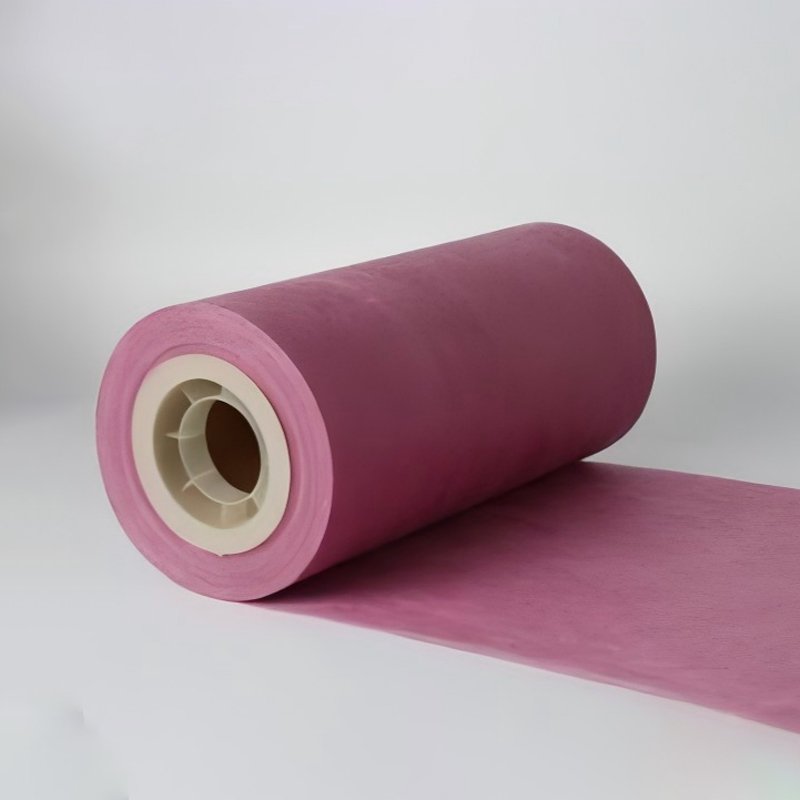 Filtration Nonwoven
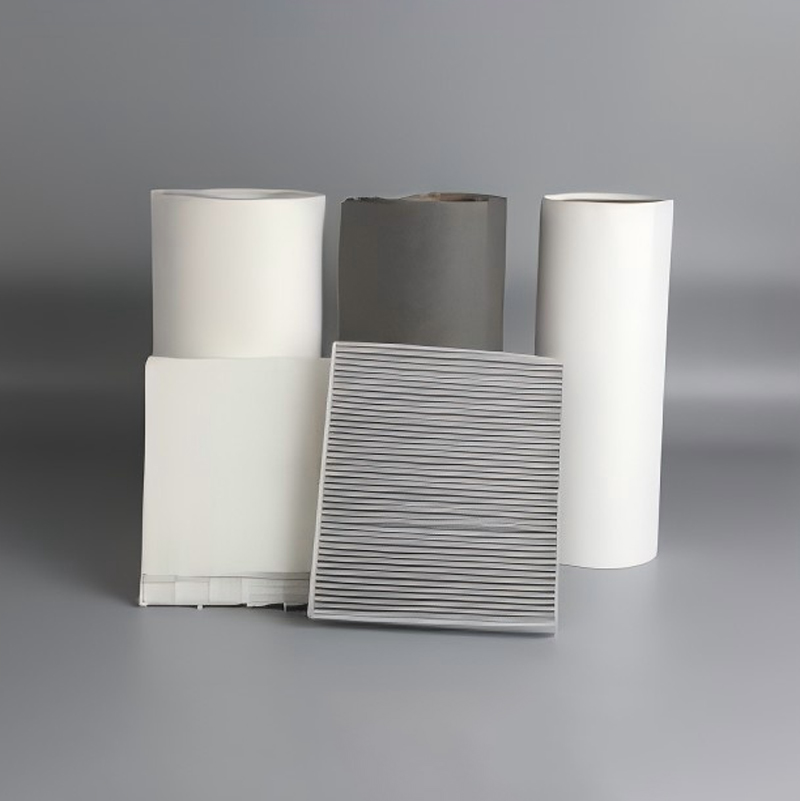 Air Filter Media
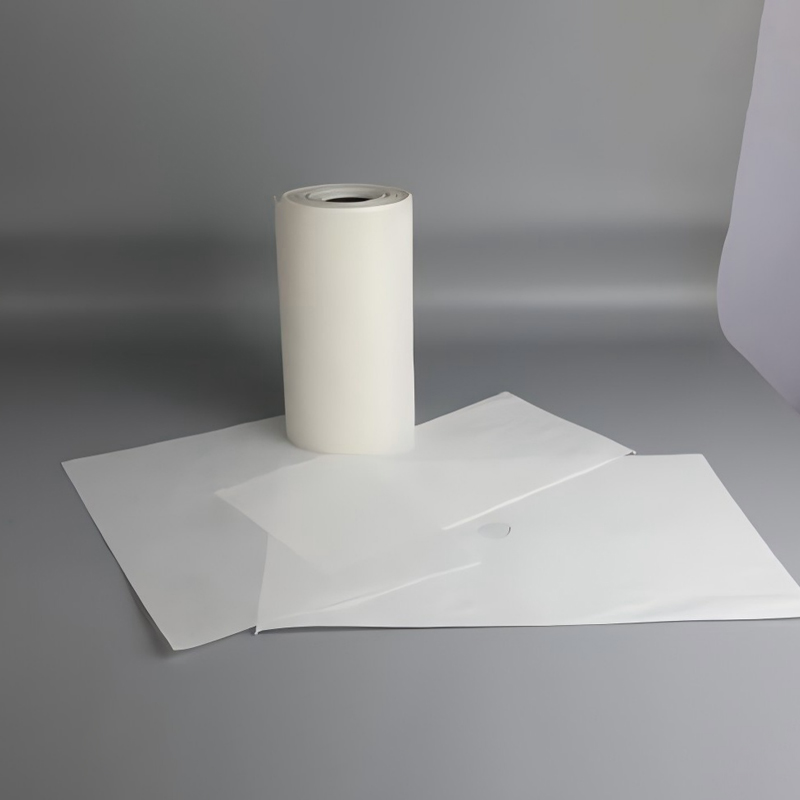 Liquid Filter Media
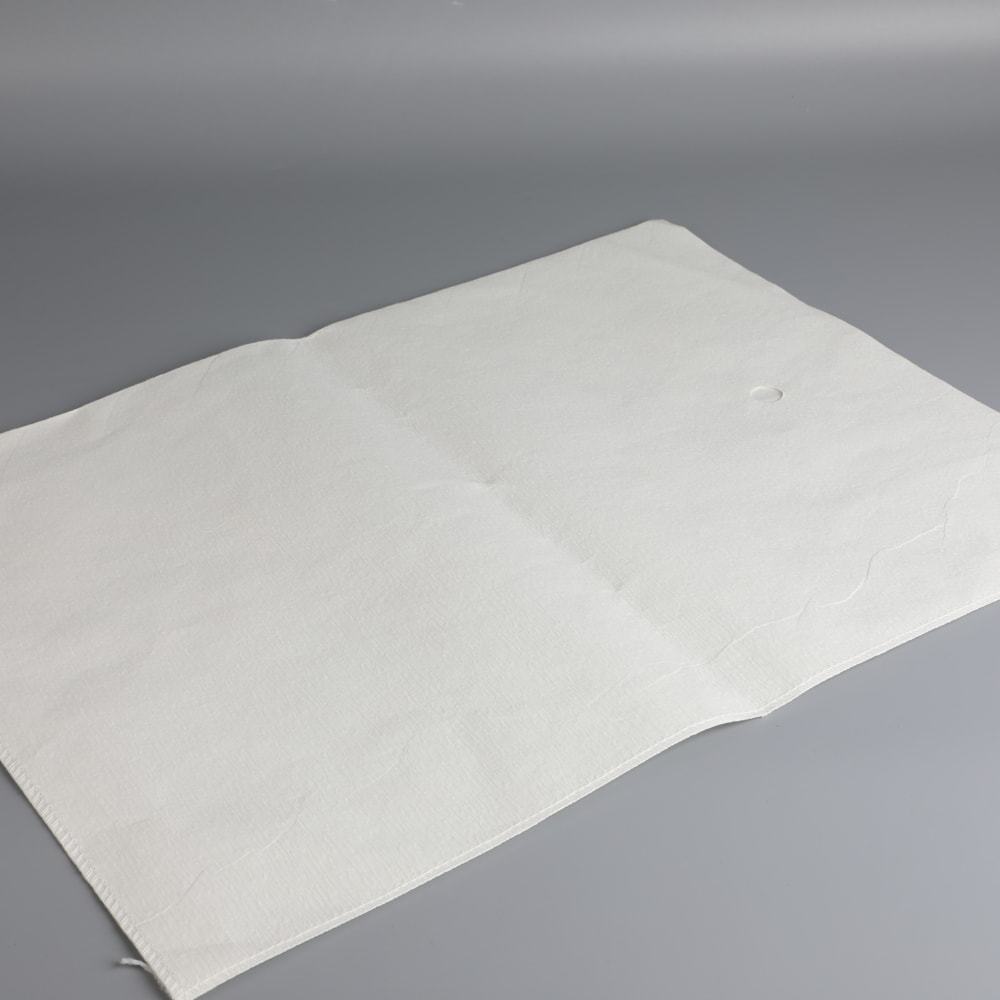 Filter Envelope & Filter Sheet
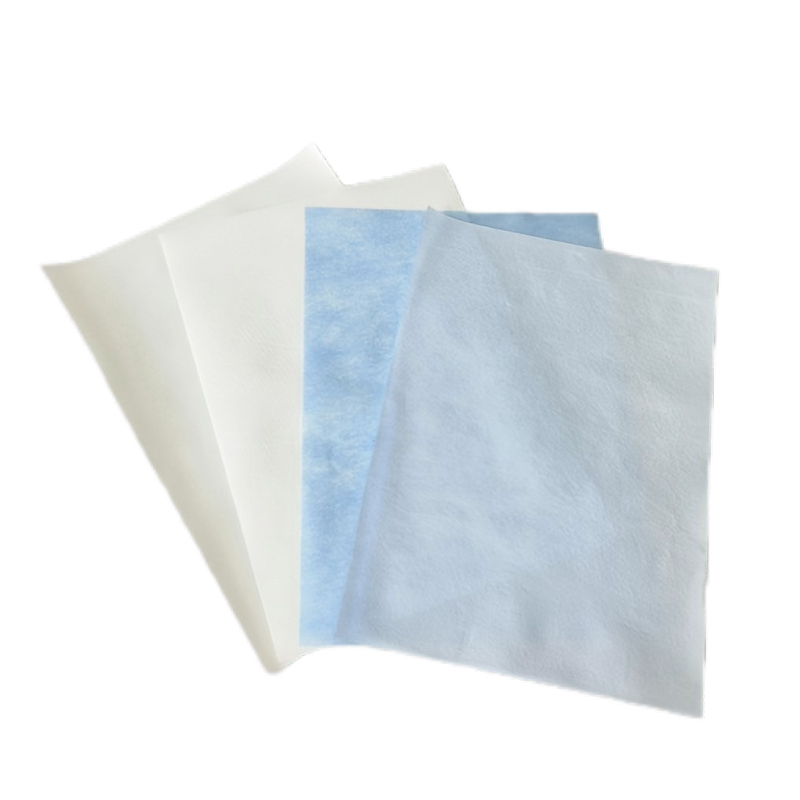 Breathable Film Laminates
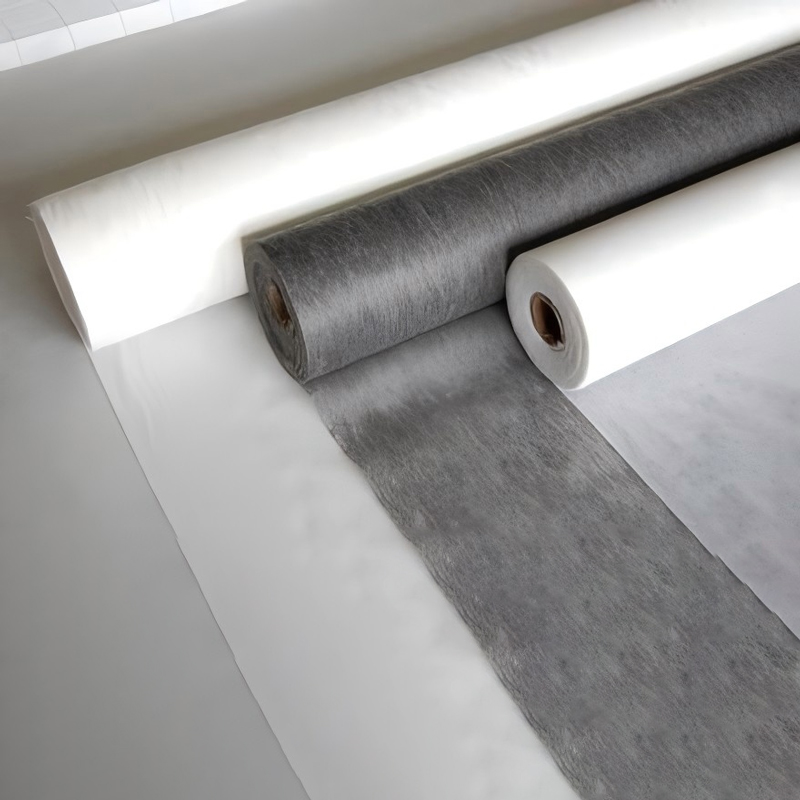 Nonwoven Interlining
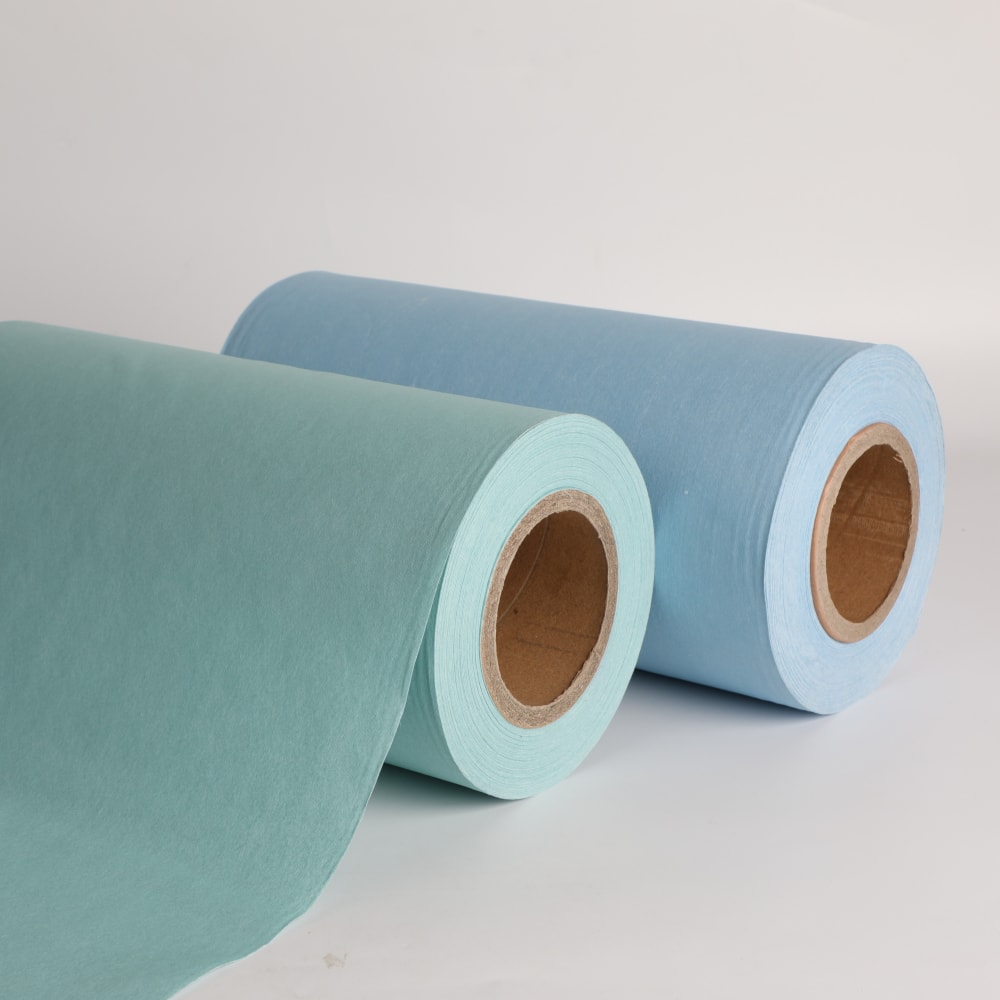 Fluid Repellent Woodpulp Spunlace Nonwoven
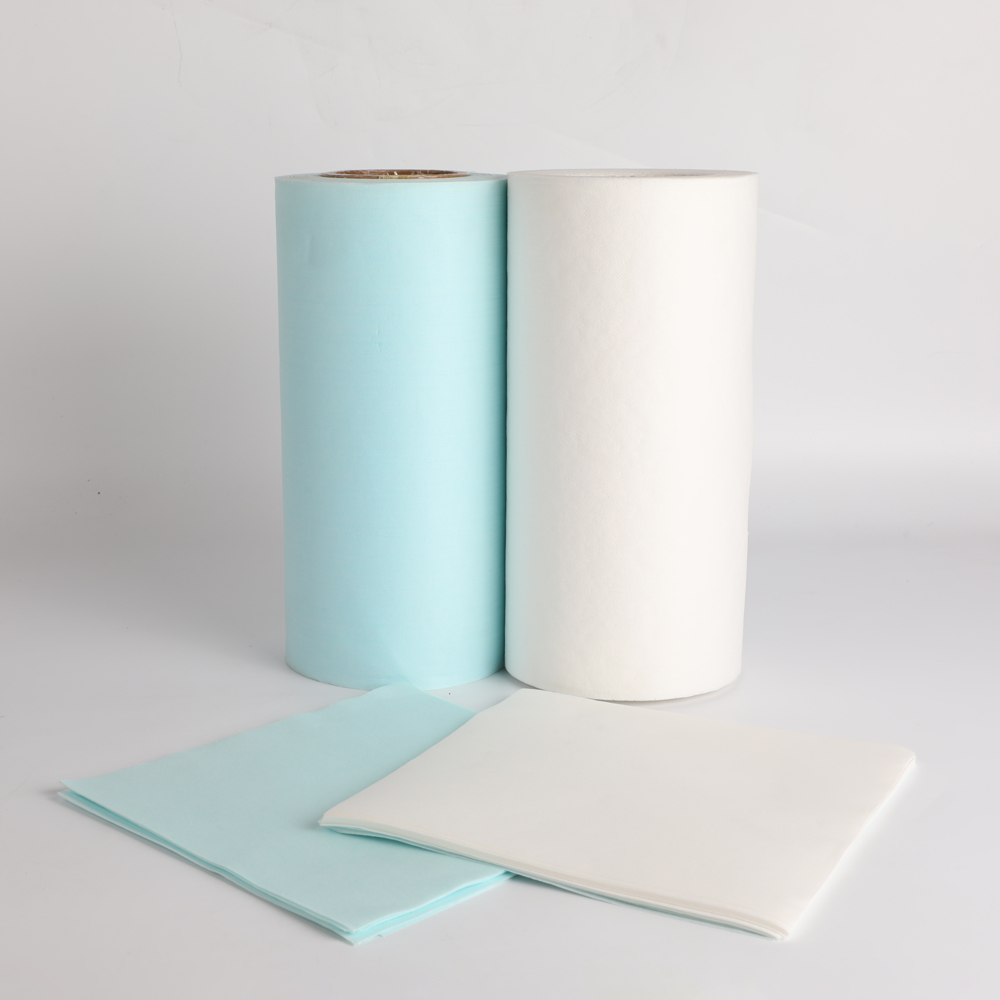 Woodpulp Nonwoven Wipe
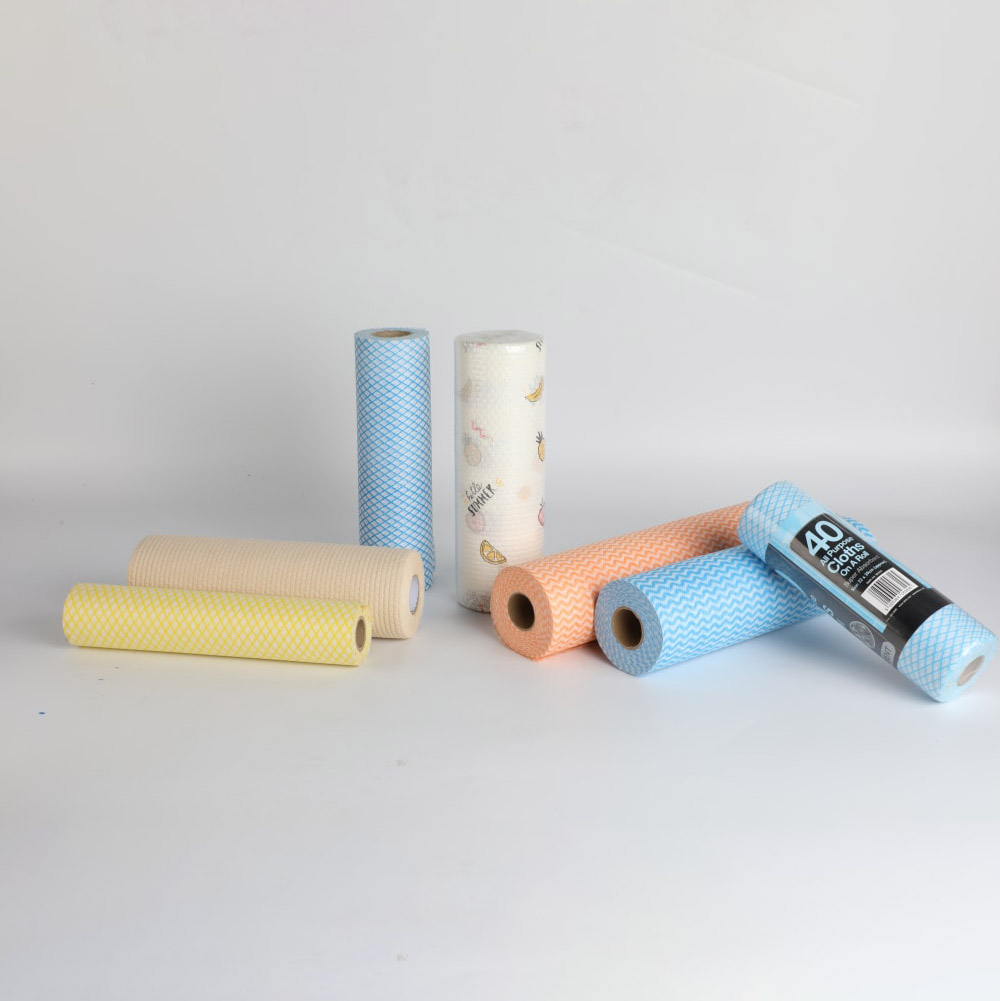 Nonwoven Cleaning Wipe
 Curtain Nonwoven
 Food Grade Packaging Nonwoven
 Aluminized Nonwoven
 Hot Air Cotton Nonwoven
 Flame Retardant Nonwoven
 Cable Wrapping Nonwoven
 Semi-conductive Nonwoven
 Anti-Bacterial Nonwoven

 +8613957712400




0102030405
PET Nonwoven Oil Filter Media: A Practical Guide for Filter Manufacturers
2026-10-26
What Is PET Nonwoven Filter Media?
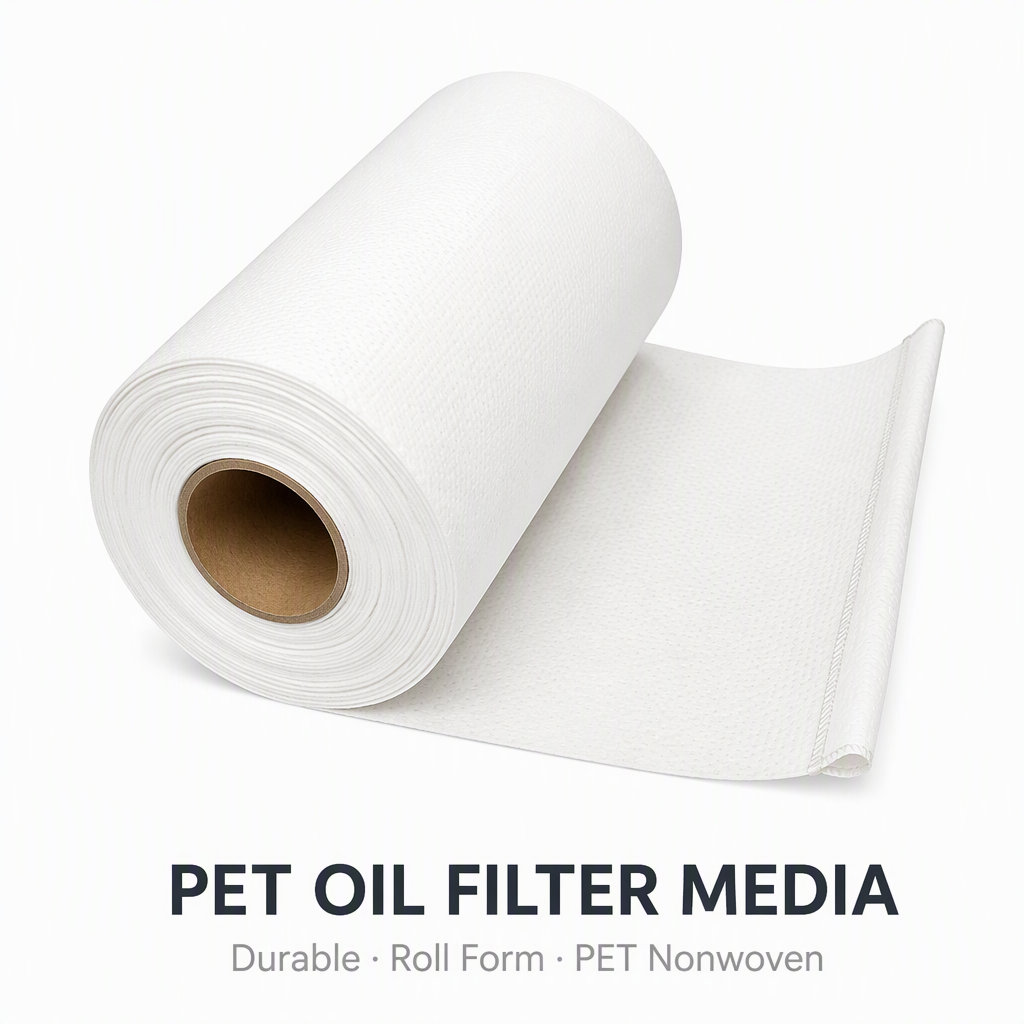
PET — polyethylene terephthalate, or polyester — is spun, laid and bonded into a Nonwoven Sheet rather than woven from yarns. The result is a continuous web of randomly oriented fibres with a controlled pore structure: open enough for oil to flow through at the required rate, tight enough to intercept particles, and mechanically strong enough to be pleated, slit and assembled without failing.
Because the web is bonded rather than woven, it has no yarn grid to shift or unravel. It cuts and slits cleanly, holds a pleat, and can be combined with support scrims, wire mesh or additional layers to build a multi-stage media pack.
Supplied in roll form, the material is designed for continuous converting: unwinding under tension, pleating, cutting to length, and assembling into cartridges, spin-on cans or panel elements.
Why Polyester for Oil Filtration?
Filter media selection is a balance of four competing demands: efficiency, flow, capacity and durability. Polyester Nonwoven performs well across all four, which is why it is so widely specified for oil.
Oil resistance. Polyester is stable in contact with mineral oils and the synthetic oils used in modern engines and hydraulic systems. It does not soften, swell or break down in service the way some cellulosic media can when exposed to water or hot oil over long intervals.
Dimensional stability under pleating. A pleat pack only works if the pleats stay where they were formed. PET holds its pleat geometry, resists compression under differential pressure, and keeps the channels open so flow is not choked off.
Mechanical strength. Oil filters see pressure spikes, cold-start viscosity, and vibration. A bonded polyester web gives the tensile and burst strength needed to survive that without media migration or rupture.
Controlled pore structure. Fibre diameter, web formation and bonding can be tuned to target a filtration range and a dirt-holding capacity, rather than accepting whatever a paper machine produces.
Clean handling. The sheet is uniform, low in loose fibre, and consistent from roll to roll — which matters both for the filter's performance and for the cleanliness of the assembly line.
Thermal tolerance. Oil and hydraulic systems run hot. Polyester keeps its properties at the service temperatures typical of these systems, which is a large part of why it is preferred over purely cellulosic media in demanding applications.