
 PP Laminates
 Multi Laminates
 Spunlace Nonwoven Laminates
 Breathable Film Laminates
 Viscose Laminates
 Needle Punch Nonwoven
 Medical Viscose Nonwoven
 Head Wear Nonwoven
 Medical Tape Nonwoven
 Snus Pouch Nonwoven
 Filtration Nonwoven
 Air Filter Media
 Liquid Filter Media
 Filter Envelope & Filter Sheet
 Breathable Film Laminates
 Nonwoven Interlining
 Fluid Repellent Woodpulp Spunlace Nonwoven
 Woodpulp Nonwoven Wipe
 Nonwoven Cleaning Wipe
 Curtain Nonwoven
 Food Grade Packaging Nonwoven
 Aluminized Nonwoven
 Hot Air Cotton Nonwoven
 Flame Retardant Nonwoven
 Cable Wrapping Nonwoven
 Semi-conductive Nonwoven
 Anti-Bacterial Nonwoven

 +8613957712400



0102030405
Production Process of Hot Air Non-woven Fabric
2026-08-13
What is Hot Air Non-woven Fabric?
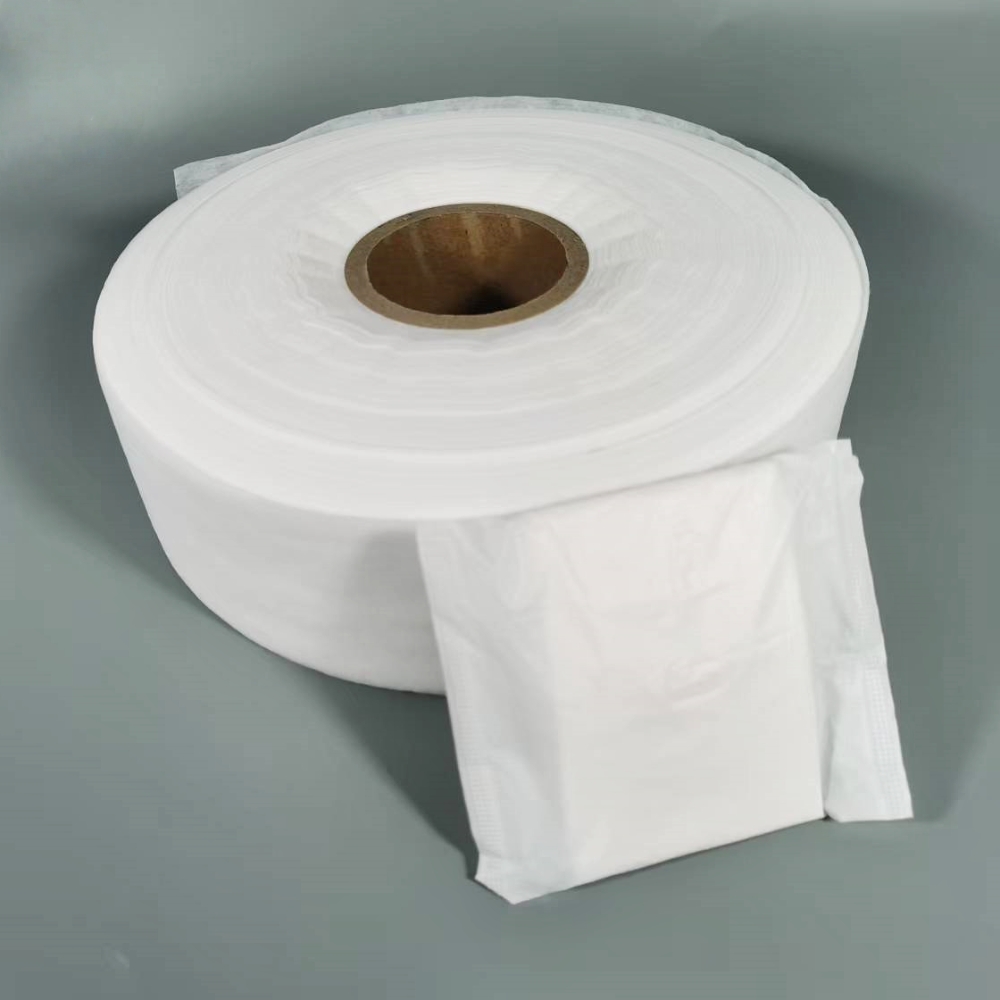
Hot air non-woven fabric is produced by melting fibers using heat rather than the conventional weaving technique. This process leads to the production of a light, porous fabric that is strong and offers good air circulation. The breathable fabric is widely used in many fields such as medical supplies, hygiene products, and filtering.
The Manufacturing Process
The production process of hot air non-woven fabric involves several key steps:
Choosing Raw Materials: Initially, the raw material selection process starts to select suitable raw materials that usually include polyester or polypropylene fibers which are selected because of their properties of being durable and light weight.
Step 2: Fiber Opening and Blending. The fibers are opened and blended together to create a uniform mix that can be utilized in the nonwoven process. The importance of this step is undeniable since it affects the final fabric's properties.
Carding is the process of organizing and aligning the fibers in a web-like structure. This step prepares the fibers for upcoming processes by ensuring that they stay in place.
4. Hot Air Bonding: This step involves applying heat and air to the carded web. Careful control over temperature and airflow takes place to bind the fibers but not melt them completely. This unique process helps enhance the strength and durability of the fabric.
The finishing stage takes place after bonding is complete. Following bonding, the fabric is treated in finishing operations. Treatment may include coating for additional functionality, such as water repellent or greater durability. Afterward, the fabric is rolled up for easy handling and transporting.
Benefits of Hot Air Non-woven Fabric
The most remarkable benefit of Hot Air Nonwoven fabric is its breathability. It differs from regular fabric in the sense that air can flow through it. Hence, it is used prominently in medical applications.
Moreover, the production process is ecologically friendly compared to other techniques since it uses less energy and facilitates waste reduction. The material is recyclable, which increases its sustainability effectiveness.
Common Applications
Hot air non-woven textiles are applied in different sectors. Among their applications, there are:
- Healthcare: Used for surgical masks, gowns, and disposable bed linens.
- Hygiene Products: Ideal for diapers, feminine hygiene products, and adult incontinence items.
- Industrial Filtration: Employed in air and liquid filtration systems.
FAQs About Hot Air Non-woven Fabric
Is it possible to use heat press on non-woven fabric? Yes, heat pressing technique can indeed be used but precautions should be taken to make sure the temperature is set properly to prevent damages to the fabric.
Does hot air non-woven material allow air to flow? Yes! One of the most important properties of this fabric is its ability to allow moisture to be removed from the skin, which means that the fabric is comfortable when used in different applications.
In general, the hot air non-woven fabric production process helps improve the fabric's mechanical properties, in addition to assisting with the emergence of a more eco-friendly way of manufacturing. Its specific properties and versatility have made the fabric very popular in many industries, and consequently, the demand for this novel technology has been steadily increasing.